
New Planning Exemptions Open New Opportunities for Modular Homes and Garden Pods in Ireland
Ireland’s planning landscape has changed significantly with new Planning and Development (Exempted Development) Regulations coming into effect on 27 July 2026. The changes are designed to give homeowners greater flexibility to adapt and make better use of their existing residential properties, while reducing the administrative burden on local planning authorities.
For homeowners considering additional living accommodation, the new rules could create exciting opportunities for modular homes, modular building solutions and garden pods.
New Planning Exemptions for Residential Properties
One of the most significant changes is the introduction of a new exemption for a detached auxiliary habitable dwelling in the rear garden of a principal house.
Under the new Class 3A exemption, a qualifying detached auxiliary dwelling can be between 32 square metres and 45 square metres and must be linked to the services of the principal dwelling. The new exemption is subject to specific conditions, and notification to the relevant planning authority is required at least 14 days before development begins.
This represents an important development for homeowners looking for practical ways to create additional accommodation without undertaking a traditional house extension.
What Does This Mean for Modular Homes?
The changes could make modular homes an increasingly attractive option for Irish homeowners.
A modular home can be manufactured off-site and then transported to the property for installation, potentially providing a faster and more controlled approach to creating additional accommodation.
The Government's announcement specifically refers to modular dwelling units in back gardens as a practical option for people whose needs can be met through additional accommodation on their existing property.
For families, this could mean new possibilities for accommodating relatives, creating independent living space or making better use of a large rear garden.
However, an important distinction remains: a planning exemption does not mean that every modular home can automatically be installed without meeting requirements. The relevant exemption conditions must be satisfied, and applicable Building Regulations and Building Control requirements continue to apply.
Modular BuildingCould Offer a Flexible Solution
The growth of modular building in Ireland reflects a wider move towards more efficient methods of construction.
Instead of constructing every element on site, modular buildings can be manufactured in a controlled environment before being delivered and installed at their final location. This approach can provide benefits in terms of construction efficiency, quality control and reduced disruption on site.
For homeowners considering an auxiliary dwelling, modular building can also offer flexibility in design. Depending on the project, a modular unit can be designed around requirements such as a bedroom, living area, kitchen and bathroom.
The new planning framework may therefore provide an opportunity for homeowners to investigate modular construction as an alternative to conventional extensions or more extensive building projects.
Are Garden Pods Now Exempt From Planning?
The term garden pod is often used to describe a wide range of structures, from home offices and hobby rooms to fully self-contained accommodation.
It is important not to assume that every garden pod is automatically exempt from planning permission.
The 2026 regulations introduce a specific exemption for a detached auxiliary habitable dwelling in the rear garden, subject to conditions. The qualifying structure can provide additional residential accommodation, but it is different from simply installing any garden room, cabin or garden pod.
Anyone considering a garden pod or modular building should therefore establish which planning exemption, if any, applies to the proposed development before work begins.
A New Option for Families and Homeowners
The new regulations could be particularly relevant to homeowners whose circumstances have changed over time.
A garden-based modular dwelling could potentially provide additional accommodation for:
- Parents or other family members
- Adult children
- Guests
- Multigenerational living
- Independent living arrangements
- Additional residential space where a conventional extension is unsuitable
The Government has stated that the reforms are intended to help homeowners adapt their homes to changing needs while allowing planning authorities to concentrate resources on more complex developments.
Planning Exemption Does Not Remove Building Regulations
One of the most important points for anyone considering modular homes or garden pods is that planning exemption and building compliance are separate matters.
The relevant local authorities have confirmed that applicable Building Regulations and Building Control requirements continue to apply, including requirements relating to habitable dwellings where relevant.
This means that homeowners should consider more than just planning permission before purchasing or installing a modular building.
Factors such as structural safety, fire safety, insulation, ventilation, energy performance, drainage and connection to services may all need to be considered depending on the proposed use and design.
Professional advice should be obtained before proceeding with a project.
What Homeowners Should Check Before Building
If you are considering a modular home, modular building or garden pod, it is important to establish whether your proposed development meets all of the relevant exemption conditions.
You should consider:
- The size of the proposed building
- Its position within the rear garden
- Its relationship to the principal dwelling
- How water, electricity and other services will be provided
- Whether the proposed use qualifies as an auxiliary habitable dwelling
- Building Regulations and Building Control requirements
- Any notification requirements that apply
- Whether there are other planning restrictions affecting the property
For Class 3A auxiliary dwellings, notification to the planning authority is required at least 14 days before development begins, and the exemption is currently time-bound, with the relevant provision due to expire on 31 December 2030.
The Future of Modular Homes in Ireland
The new planning exemptions could mark an important step forward for the modular homes and modular building sector in Ireland.
As demand for flexible housing solutions increases, homeowners are increasingly looking at ways to maximise the space they already have. A well-designed modular dwelling or suitable garden pod could provide an efficient way of creating additional accommodation, provided the project meets the relevant planning and building requirements.
The regulations do not mean that every modular home or garden pod is automatically exempt from planning permission. Instead, they create a specific framework under which certain types of residential development can benefit from exempted development status.
For homeowners, the key opportunity is greater flexibility. For the modular construction industry, the changes could also encourage further innovation in the design and delivery of compact, high-quality residential accommodation.
Conclusion
The introduction of the new planning exemptions on 27 July 2026 represents a significant change for homeowners considering ways to adapt and expand their residential properties.
With a new exemption covering certain detached auxiliary dwellings in rear gardens, modular homes, modular building solutions and suitable garden pods could become increasingly relevant to homeowners looking for flexible additional accommodation.
However, each project needs to be assessed against the specific conditions of the applicable exemption, as well as Building Regulations and other legal requirements.
For anyone considering a modular dwelling or garden-based accommodation, the best first step is to understand exactly what the new rules allow and obtain appropriate professional advice before construction begins.
Reference
For the official announcement and further information on the new planning exemptions, see the Irish Department of Housing, Local Government and Heritage:
Information in this article is provided for general information purposes and should not be treated as legal or planning advice. Planning and building requirements can vary depending on the property and proposed development.
Do you have any questions? Please feel free to contact us!
Consultation appointment
Let our experts guide you on the way to your Palazzina!
Our Palazzinas
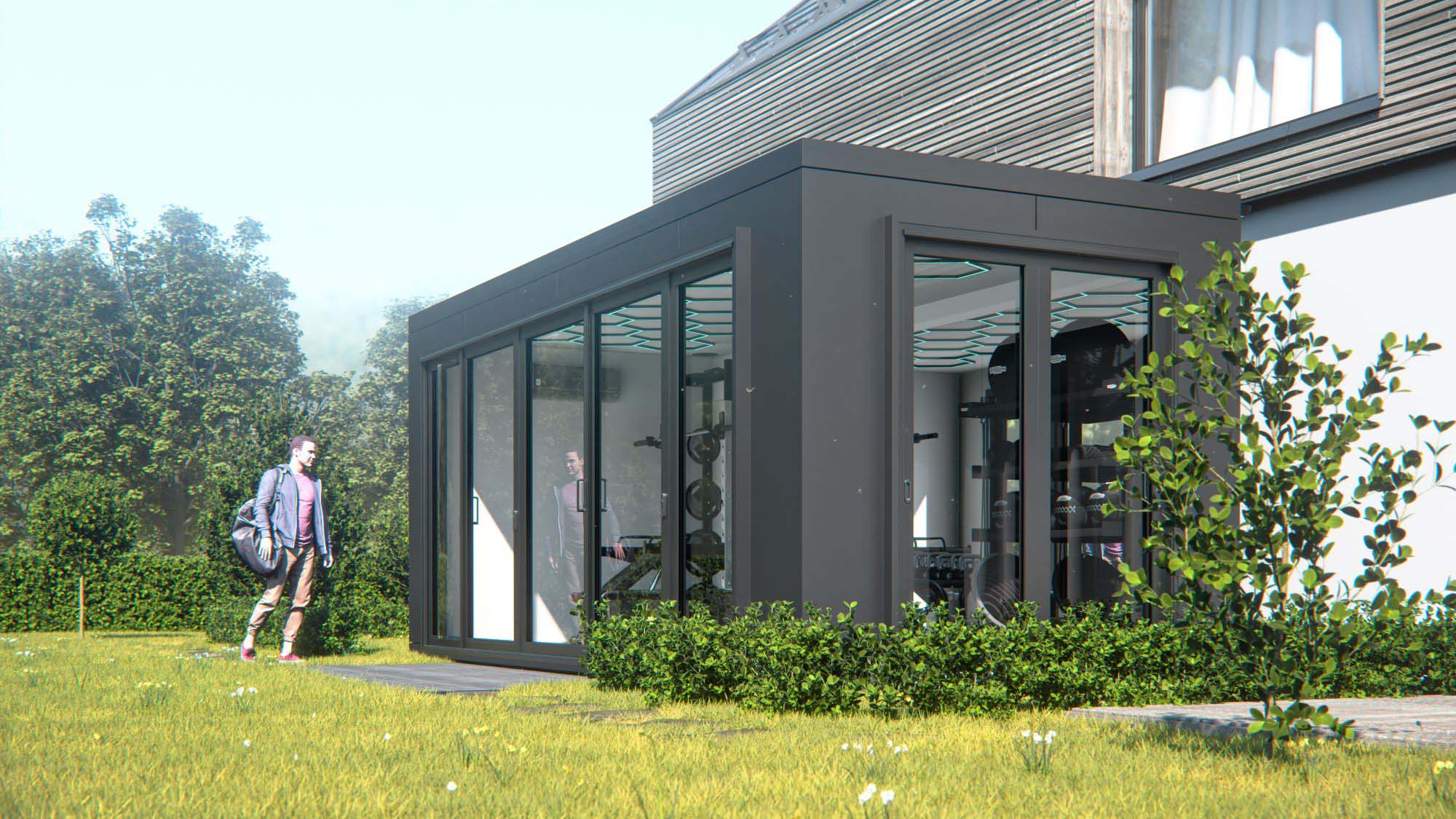
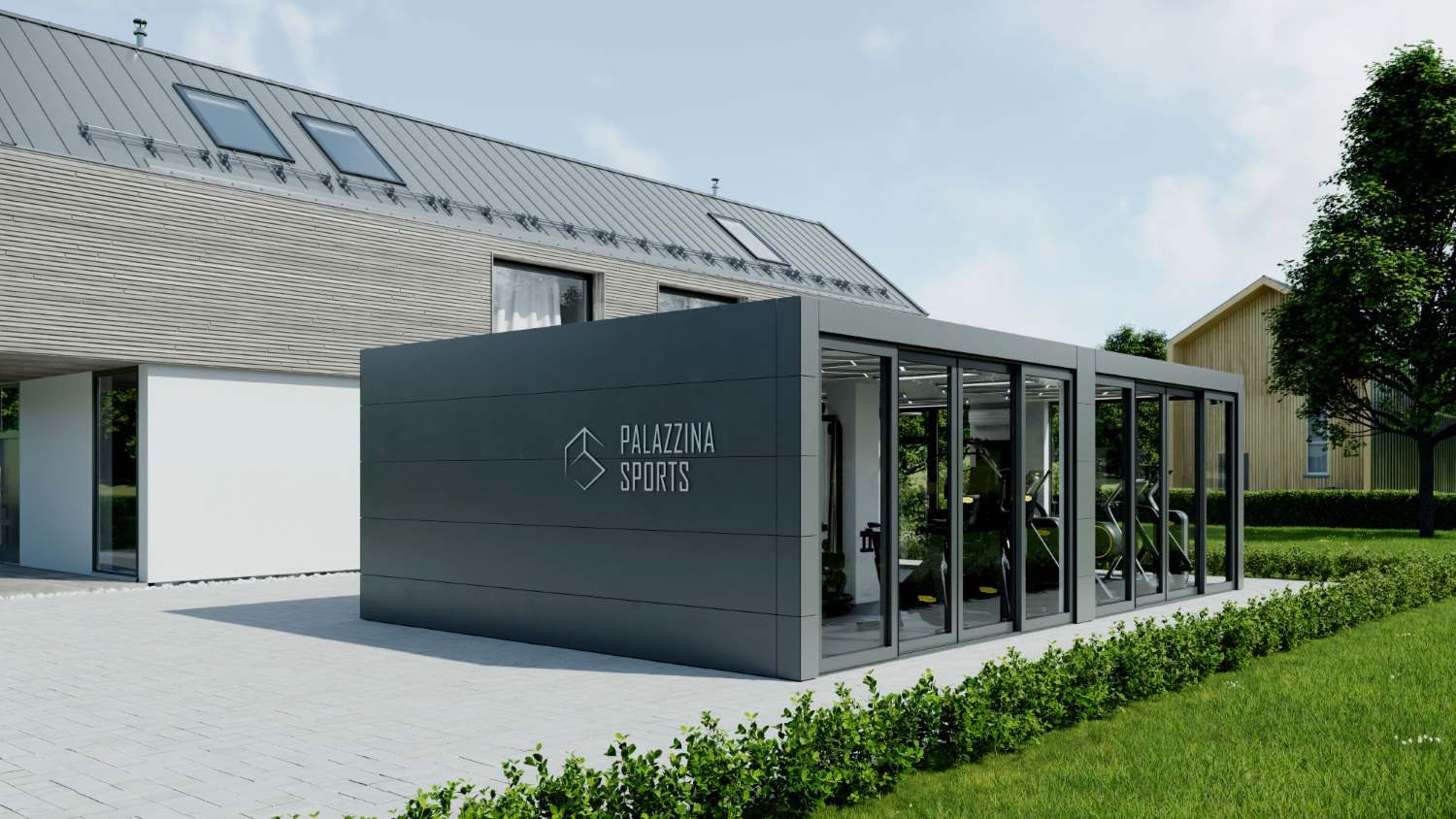
Add ons
Let us advise you about our add on offers!
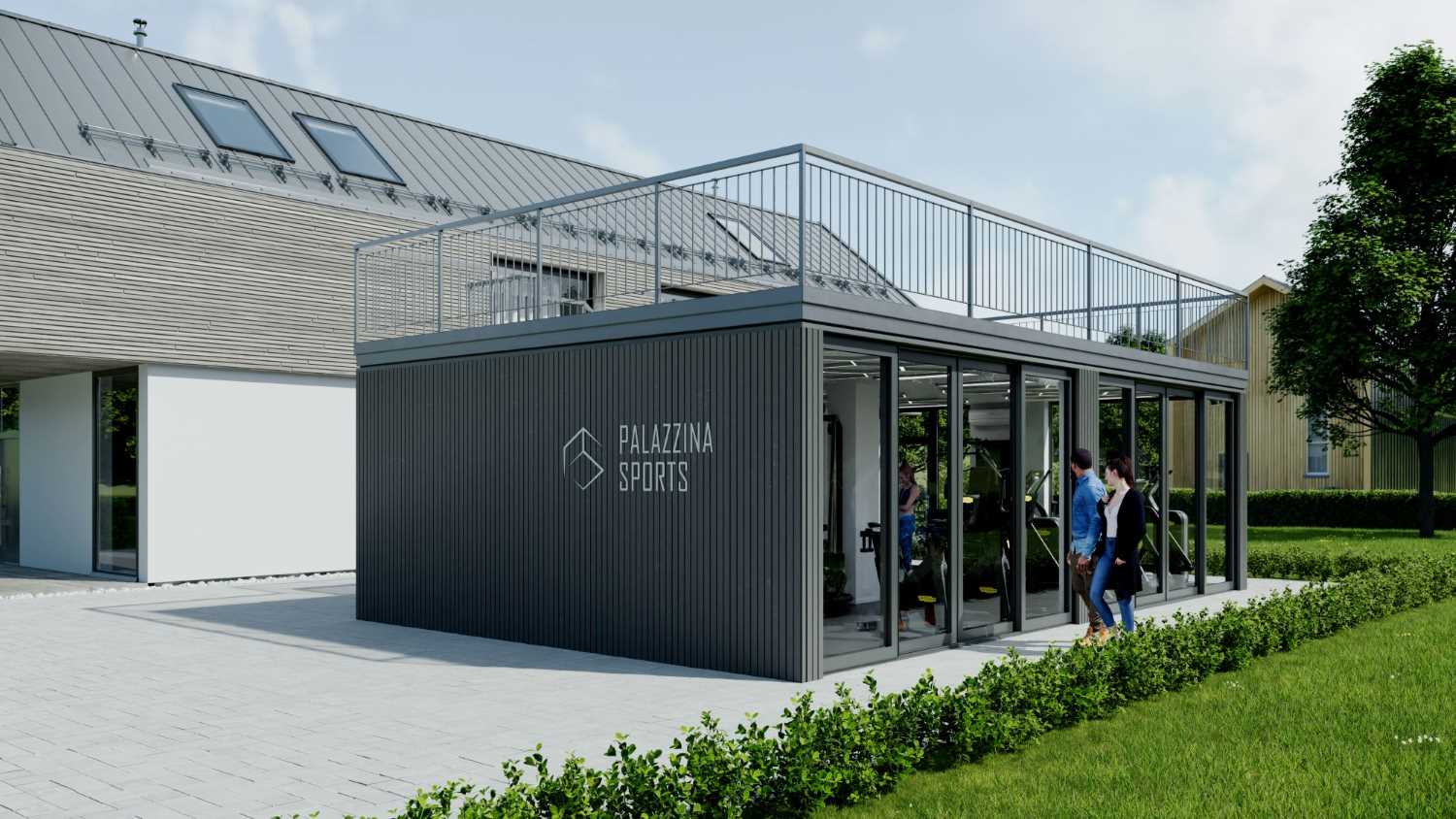
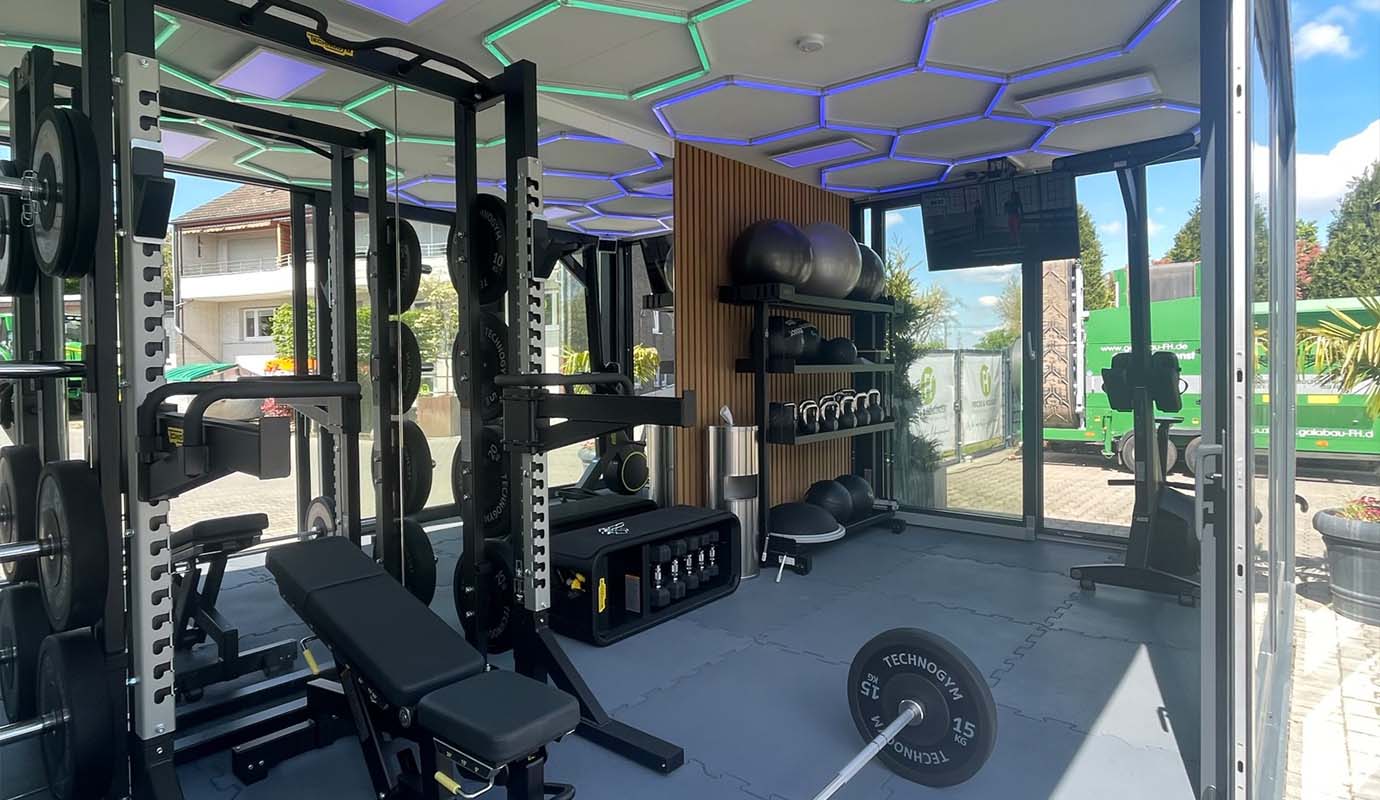
With our Palazzinas, you can have numerous additional wishes fulfilled. From the terrace on the Palazzina roof, a sanitary area and special interior and exterior wishes to the individual composition of the individual sports equipment.
Palazzina Showroom
Convince yourself of our innovative concept!
Discover the future of the gym in our showroom and experience the diverse possibilities of our modular gym.